
Highway infrastructure is undergoing a significant transformation with the introduction of GNSS-based toll collection in India. This revolutionary approach promises to eliminate congestion at toll plazas, reduce fuel consumption, and create a more equitable “pay as you use” model for highway users. As the Ministry of Road Transport and Highways moves forward with implementation plans, understanding this technology and its implications becomes crucial for vehicle owners and logistics companies.
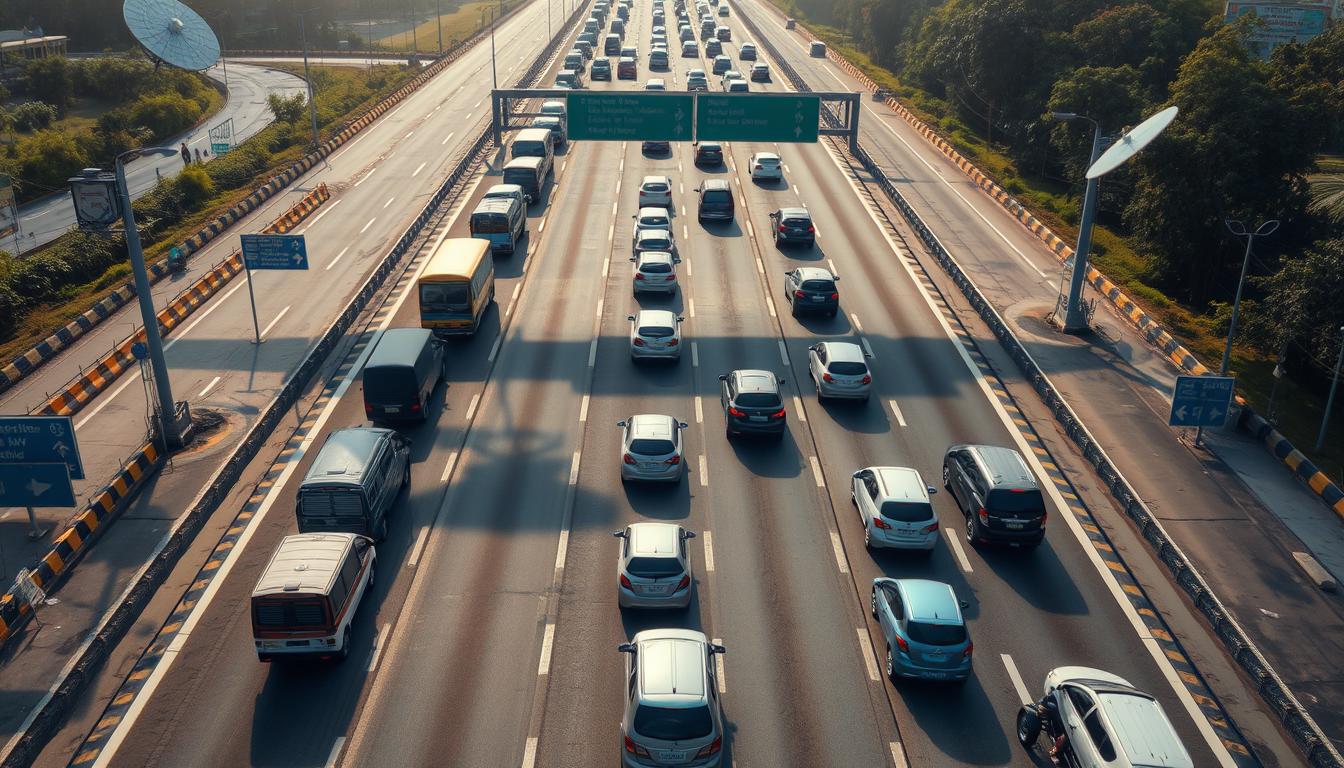
India’s Current Toll Collection System and Its Challenges
India’s national highway network spans approximately 1.4 lakh kilometers, with toll collection operational on about 45,000 kilometers. The current toll collection infrastructure relies primarily on FASTag, an electronic toll collection system that uses radio frequency identification (RFID) technology. While FASTag represented a significant improvement over manual toll collection, the system still faces several limitations.
Key Statistic
India has over 1,400 toll plazas collecting ₹1.5 trillion annually (NHAI 2023 data)
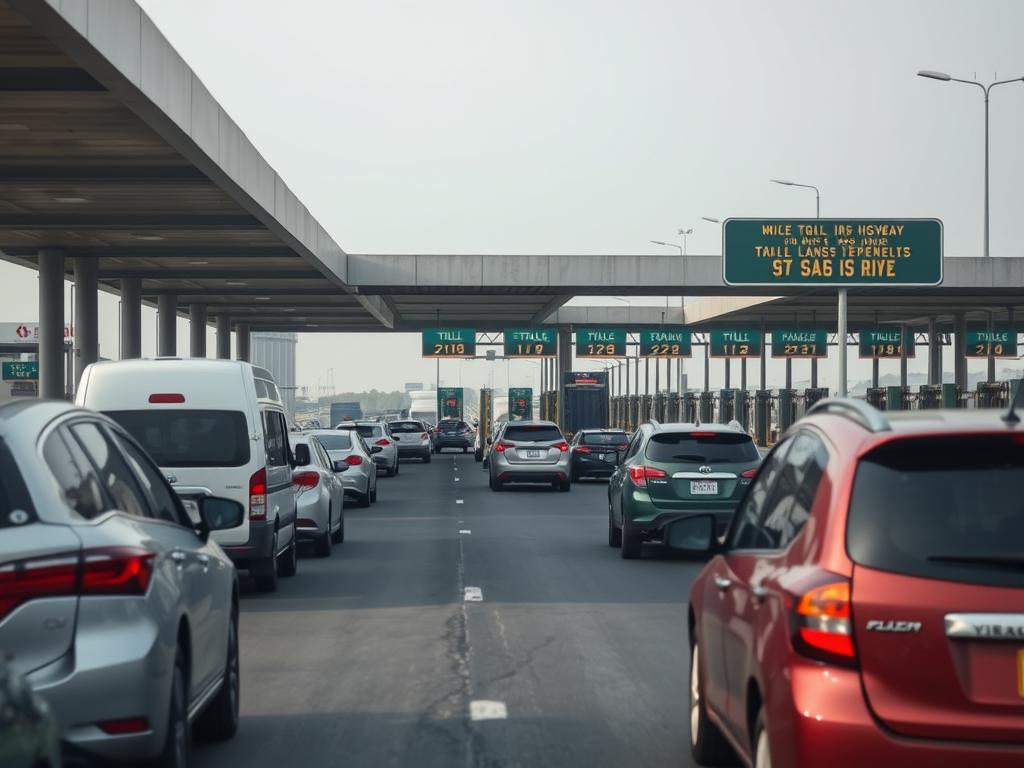
Despite the widespread adoption of FASTag, several challenges persist in the current toll collection system:
- Physical toll plazas create bottlenecks, leading to traffic congestion even with electronic payments
- Fixed toll rates regardless of actual distance traveled on the highway
- Manual exemption processes for local residents living within 20 km of toll plazas
- Infrastructure and maintenance costs for physical toll plazas
- Limited scalability to accommodate increasing traffic volumes
These challenges have prompted the government to explore more advanced solutions that can provide seamless travel experiences while ensuring fair toll collection based on actual usage.
Understanding GNSS Technology and Its Transportation Applications
Global Navigation Satellite System (GNSS) refers to a constellation of satellites that provide geospatial positioning with global coverage. This technology enables users with a compatible receiver to determine their location, velocity, and time by processing signals from satellites in orbit around Earth.
Key GNSS Systems Relevant to India
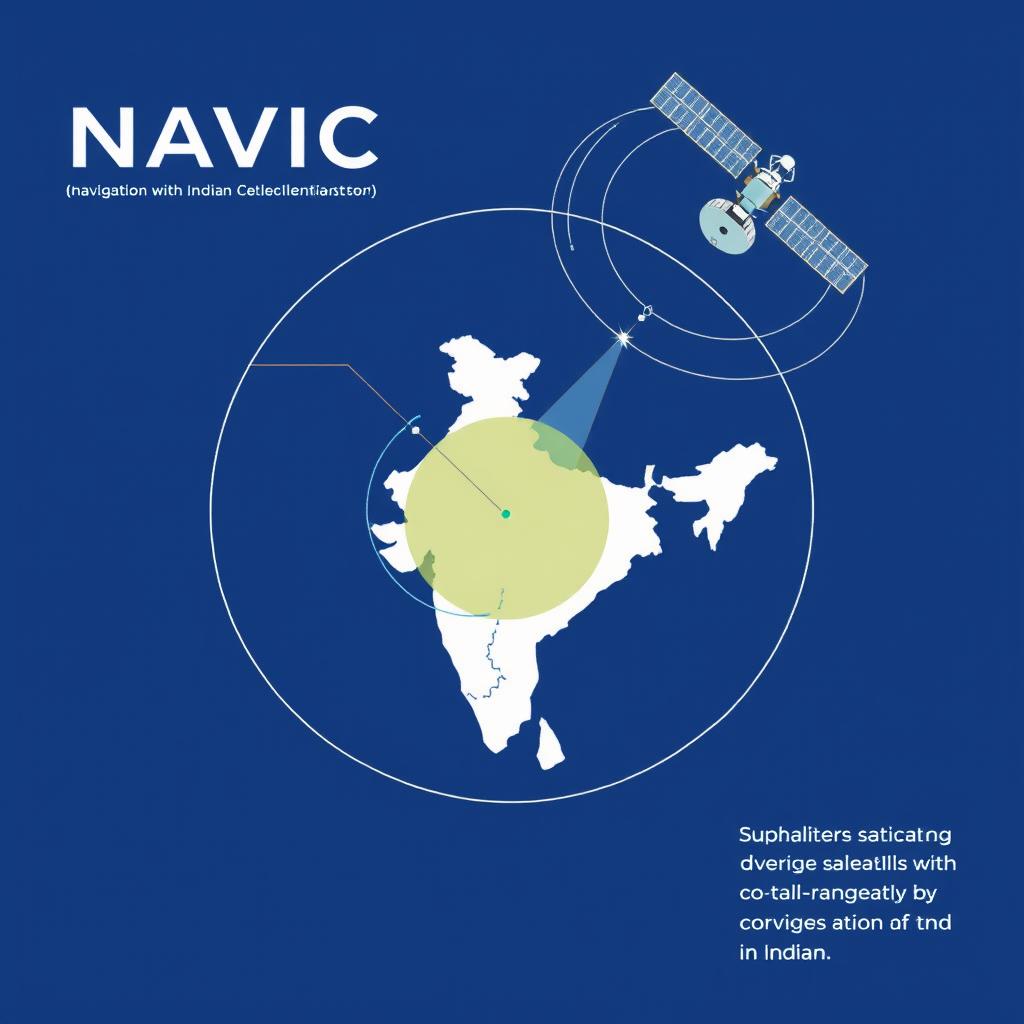
NAVIC (Navigation with Indian Constellation): India’s indigenous satellite navigation system developed by ISRO, providing positioning services primarily for the Indian subcontinent. The government has confirmed that NavIC will be utilized for the new toll collection system.
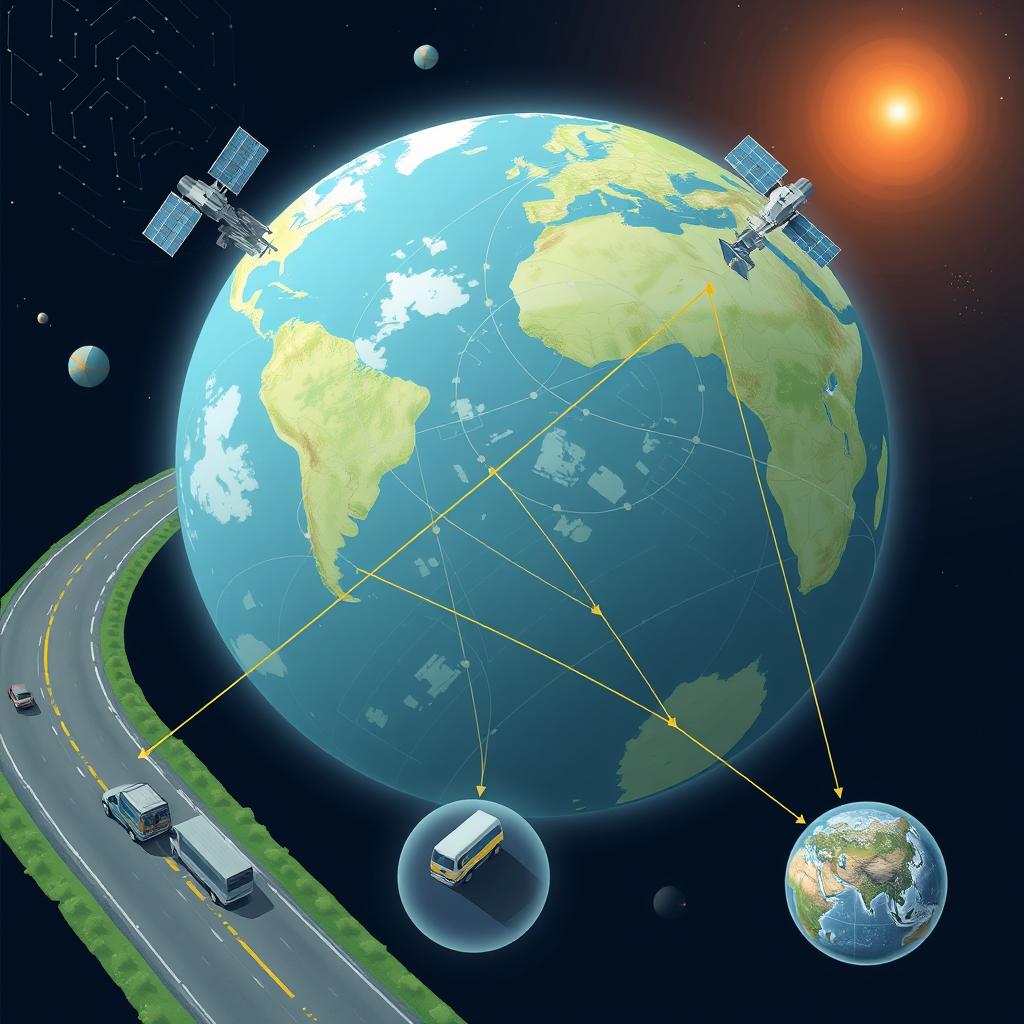
GPS (Global Positioning System): Operated by the United States, GPS is the most widely used GNSS system globally and serves as a complementary system for positioning services in India.
GNSS Applications in Transportation
GNSS technology has already transformed various aspects of transportation globally:
- Fleet management and vehicle tracking for logistics companies
- Navigation systems for personal and commercial vehicles
- Traffic management and congestion monitoring
- Emergency response vehicle routing
- Distance-based road pricing and toll collection
The application of GNSS for toll collection represents a natural evolution of this technology, allowing for more precise, fair, and efficient charging based on actual road usage.
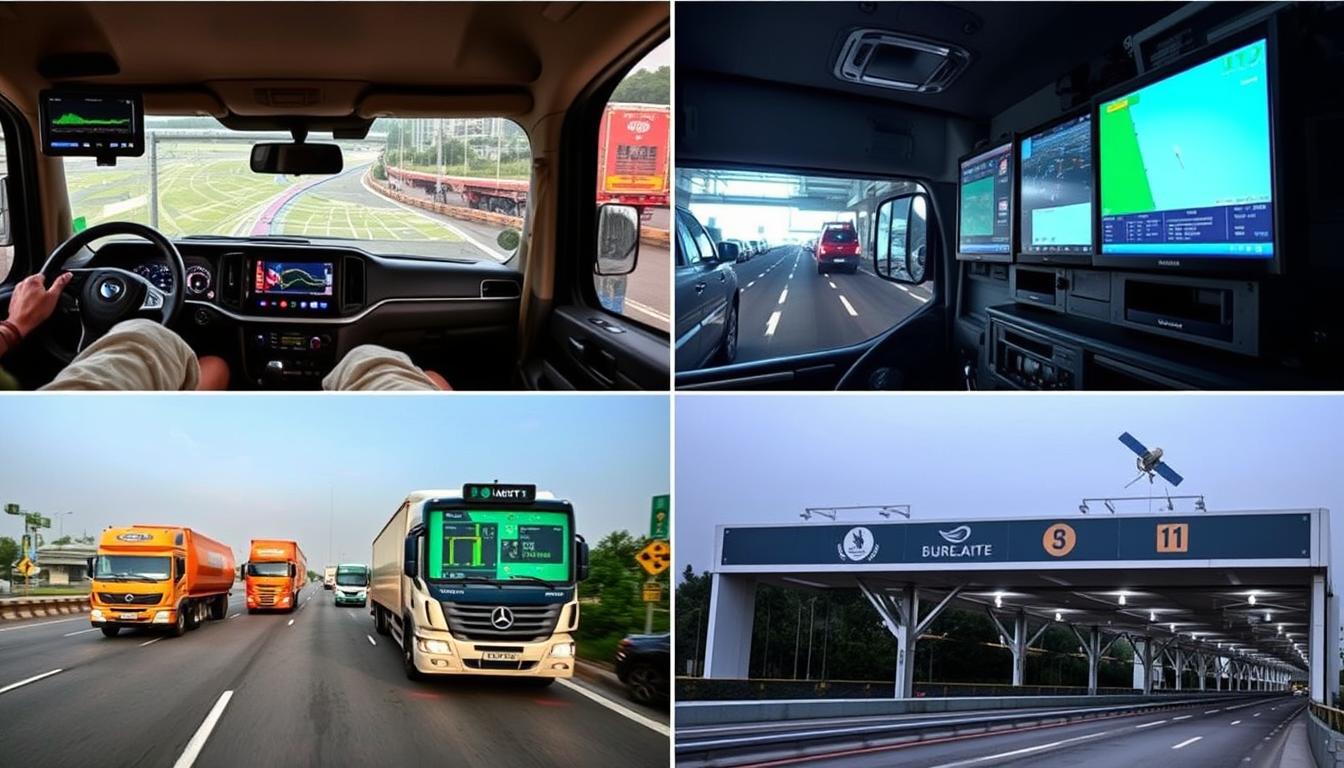
How GNSS-based Toll Collection Works in India
The GNSS-based toll collection system in India represents a paradigm shift from fixed toll points to dynamic, distance-based charging. This system utilizes satellite technology coupled with on-board units (OBUs) installed in vehicles to track movement and calculate toll fees based on actual distance traveled.

On-Board Units
Non-transferable GNSS-OBU devices installed in vehicles that communicate with satellites to track movement and distance traveled on highways.
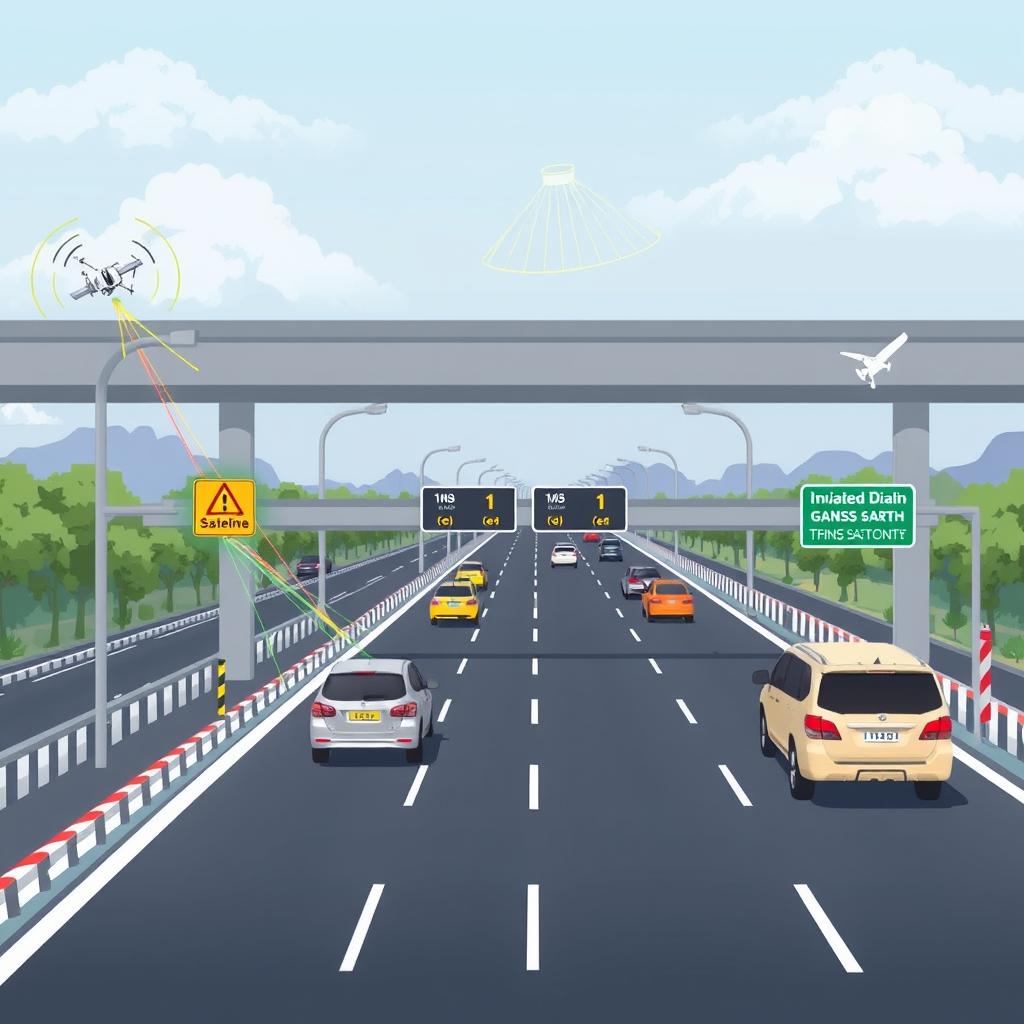
Virtual Gantries
Digital checkpoints that replace physical toll plazas, marking entry and exit points on highways for toll calculation purposes.
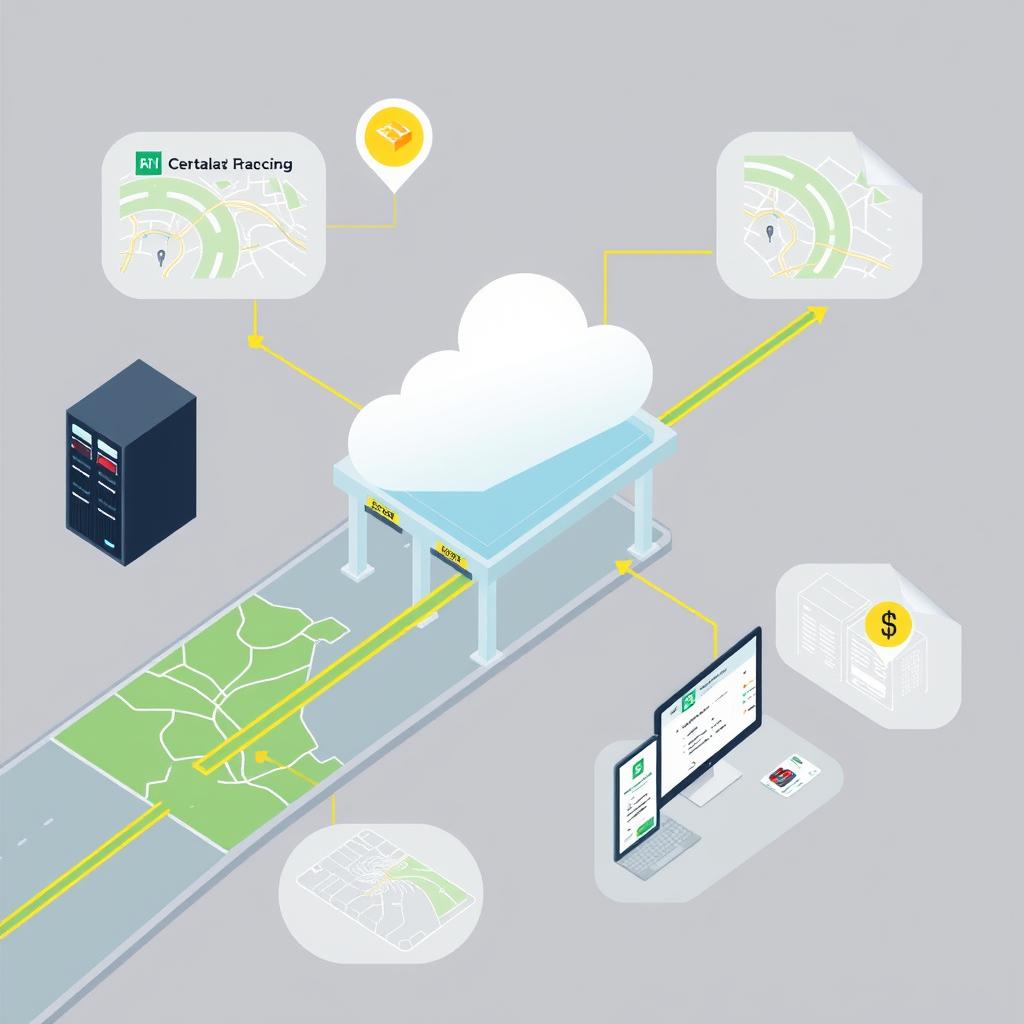
Centralized Toll Charger
Backend software that receives data from OBUs, calculates toll fees based on distance traveled, and processes payments through linked accounts.
The Toll Collection Process
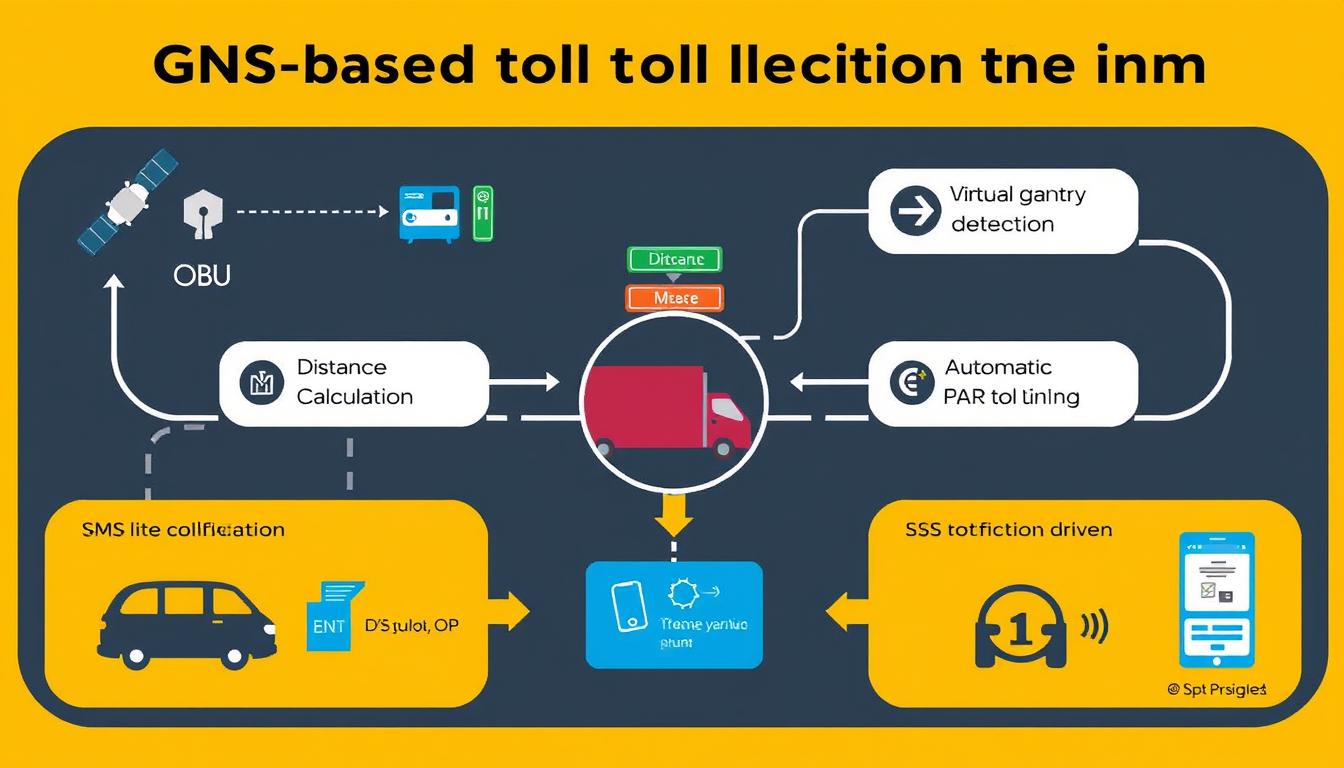
- The GNSS-OBU in the vehicle continuously communicates with satellites to determine precise location.
- When a vehicle enters a tolled highway section (marked by virtual gantries), the system registers the entry point.
- As the vehicle travels, the OBU tracks the exact distance covered on the tolled section.
- Upon exiting the tolled section, the system calculates the fee based on distance traveled and vehicle category.
- The toll amount is automatically deducted from the user’s linked account (initially using the existing FASTag ecosystem).
- Users receive SMS notifications confirming toll deductions and journey details.
Key Features of India’s GNSS Toll System
- Pay-as-You-Use Model: Users pay only for the actual distance traveled on highways, ensuring fair pricing.
- 20 KM Free Travel: Automatic exemption for travel up to 20 kilometers in each direction, once per day.
- Hybrid Implementation: Initial rollout will feature dedicated GNSS lanes at existing toll plazas, gradually transitioning to a fully virtual system.
- Phased Deployment: Starting with commercial vehicles (trucks and buses) by June 2025, expanding to all vehicle categories by 2026-27.
Benefits of GNSS-based Toll Collection in India
The transition to GNSS-based toll collection offers numerous advantages for highway users, infrastructure operators, and the environment. These benefits extend beyond mere convenience to create substantial economic and ecological value.
Advantages for Highway Users
- Non-stop travel without slowing down at toll plazas
- Fair pricing based on actual distance traveled
- Automatic 20 km exemption without paperwork
- Reduced fuel consumption from eliminating stop-and-go traffic
- Time savings from congestion-free highway travel
Advantages for Infrastructure Operators
- Reduced infrastructure and maintenance costs
- Decreased toll evasion through precise tracking
- Enhanced data collection for traffic management
- Scalability to accommodate increasing traffic volumes
- Flexibility to implement dynamic pricing models
Environmental and Economic Impact
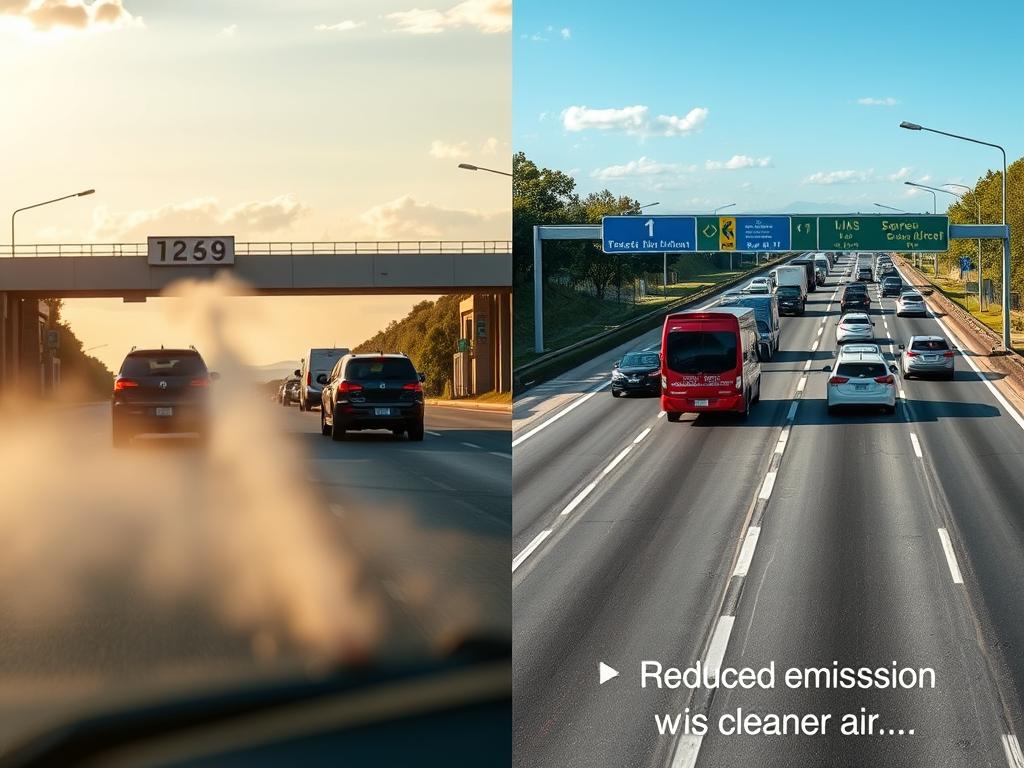
Environmental Benefits
By eliminating the need for vehicles to stop and idle at toll plazas, GNSS-based toll collection can significantly reduce carbon emissions. Studies from similar implementations globally suggest potential emission reductions of 5-10% in toll plaza areas.
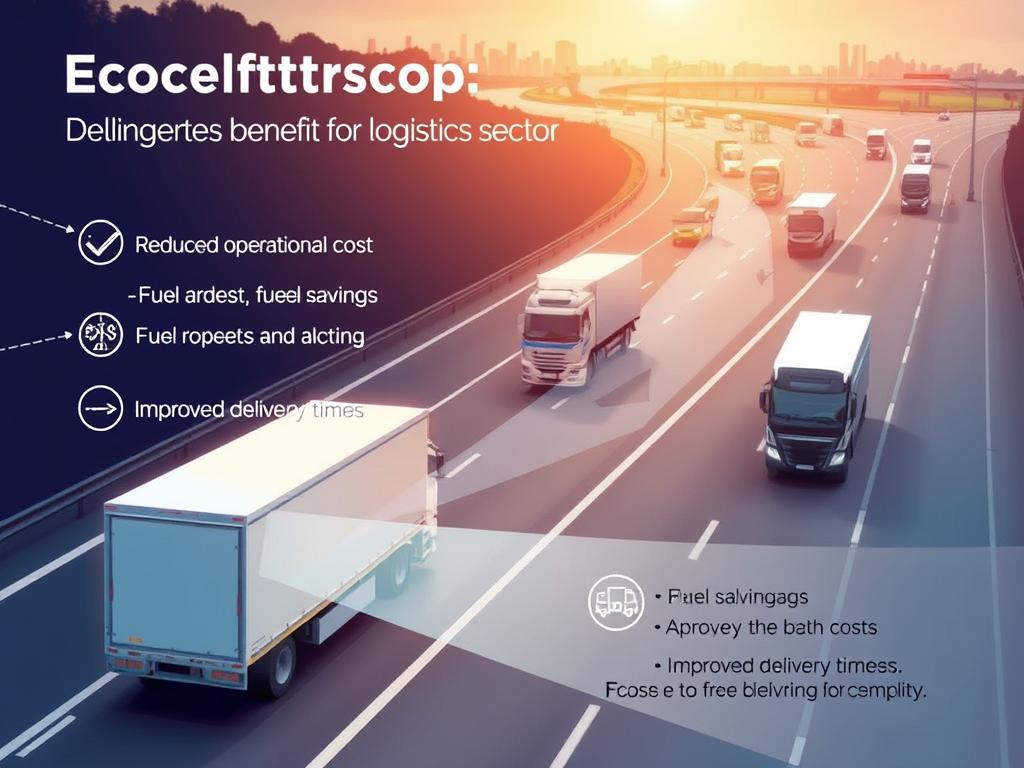
Economic Benefits
The logistics sector stands to gain substantially from reduced travel times and fuel consumption. Conservative estimates suggest potential savings of ₹8,000-12,000 crore annually across the transportation sector once the system is fully implemented.
Stay Updated on GNSS Toll Implementation
Want to learn how GNSS-based toll collection will affect your business or daily commute? Subscribe to our newsletter for implementation timelines, regional rollout plans, and preparation guidelines.
Implementation Challenges for GNSS-based Toll Collection in India
While GNSS-based toll collection offers significant advantages, its implementation in India faces several technical, financial, and social challenges that must be addressed for successful deployment.
| Challenge Category | Specific Issues | Potential Solutions |
| Technical Limitations | Signal interference in urban canyons, tunnels, and mountainous regions | Hybrid systems with complementary technologies like RFID at problematic locations |
| Infrastructure Requirements | High initial investment for OBU deployment and backend systems | Phased implementation starting with commercial vehicles, manufacturer partnerships for factory-fitted OBUs |
| Privacy Concerns | Continuous tracking of vehicle movements raising data privacy issues | Strong data protection policies, anonymization protocols, and transparent usage guidelines |
| User Adoption | Resistance to new technology, concerns about reliability | Public awareness campaigns, demonstration projects, and gradual transition periods |
| Weather Conditions | Signal degradation during adverse weather affecting reliability | Multi-constellation GNSS receivers, backup systems for critical infrastructure |
Real-World Example: Pilot Project Learnings
The NHAI conducted pilot tests of GNSS-based toll collection on selected highway stretches before announcing the nationwide implementation plan. These pilots revealed that while the technology worked effectively in most scenarios, signal reliability in certain geographical areas remained a challenge. The implementation plan now includes provisions for hybrid solutions in problematic areas to ensure consistent service.
Addressing these challenges requires a collaborative approach involving government agencies, technology providers, vehicle manufacturers, and highway users. The phased implementation strategy announced by the Ministry of Road Transport and Highways aims to tackle these issues incrementally, starting with vehicle categories that already have tracking systems installed.
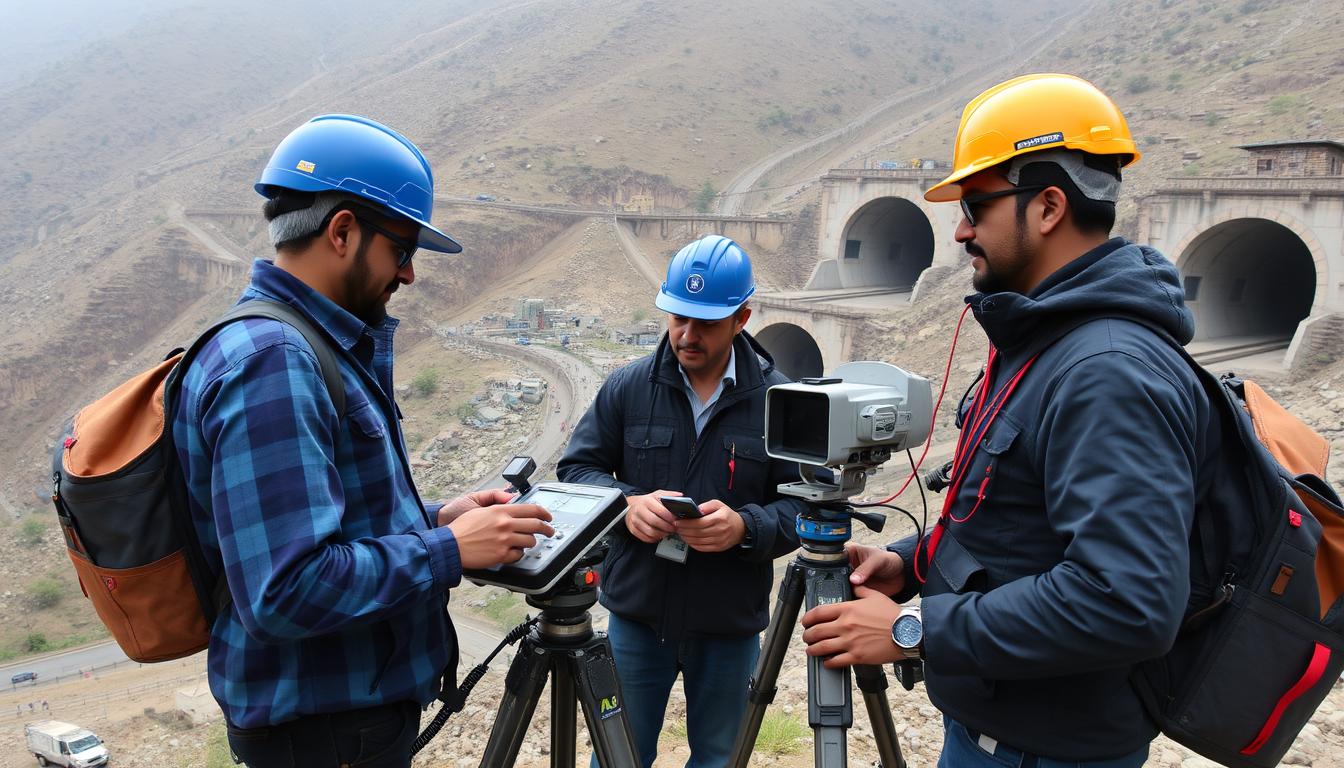
International Comparison: GNSS Toll Collection Around the World
India’s move toward GNSS-based toll collection follows successful implementations in several countries. Examining these international systems provides valuable insights into best practices and potential pitfalls.

European Union
The EU uses Galileo (European GNSS) for distance-based charging of heavy goods vehicles across multiple countries. The system enables seamless cross-border travel while ensuring fair road usage charges based on distance, vehicle emissions class, and time of day.

Singapore
Singapore’s Electronic Road Pricing (ERP) system combines GNSS with dedicated short-range communications for congestion pricing in urban areas. The system adjusts prices based on traffic conditions and time of day to manage traffic flow effectively.
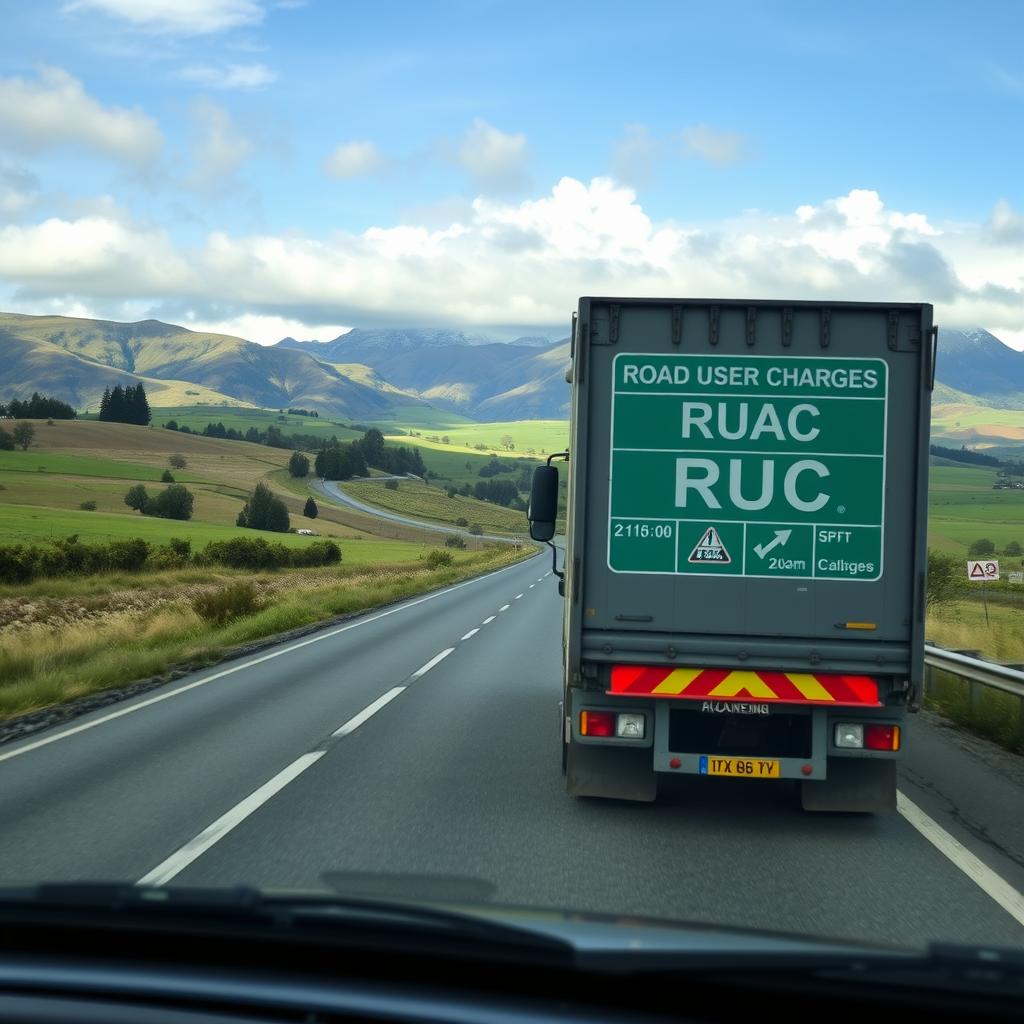
New Zealand
New Zealand employs a Road User Charges (RUC) system for diesel vehicles using GNSS technology to track distance traveled. The system has been operational for over a decade with high compliance rates and user acceptance.
Comparative Analysis: India vs. Global Systems
| Feature | Current Indian System (FASTag) | Proposed GNSS System in India | International Best Practice |
| Charging Basis | Fixed points (toll plazas) | Distance-based (pay per km) | Distance-based with dynamic pricing |
| Infrastructure Requirements | Physical toll plazas with RFID readers | Virtual gantries, OBUs in vehicles | Minimal physical infrastructure, comprehensive digital backend |
| User Experience | Slow-down required at toll plazas | Non-stop travel | Non-stop travel with user-friendly interfaces |
| Implementation Approach | Nationwide immediate rollout | Phased implementation by vehicle type | Phased implementation with extensive testing |
| Data Privacy Protections | Limited data collection | Under development | Comprehensive data protection frameworks |
India’s approach combines elements from various international systems while adapting to local conditions. The phased implementation strategy mirrors successful approaches in Europe, while the 20 km exemption addresses specific Indian needs for local travel accommodation.

Future Potential: Beyond Toll Collection
The implementation of GNSS-based toll collection creates a foundation for numerous advanced applications that can transform India’s transportation ecosystem. The same infrastructure can support multiple innovations that enhance safety, efficiency, and sustainability.

Smart City Integration
GNSS toll data can feed into smart city initiatives, providing real-time traffic information for urban planning, congestion management, and emergency response. This integration enables dynamic traffic signal timing, intelligent routing, and improved urban mobility.

Electric Vehicle Ecosystem
As India pushes for electric vehicle adoption, GNSS infrastructure can support integrated payment systems for both road usage and charging services. This creates a seamless experience for EV owners and encourages sustainable transportation choices.
Potential Future Applications
- Usage-Based Insurance: Insurance premiums calculated based on actual driving patterns and road usage
- Advanced Traffic Management: Real-time congestion detection and dynamic routing recommendations
- Environmental Zone Management: Automated charging for vehicles entering low-emission zones in urban areas
- Connected Vehicle Services: Vehicle-to-infrastructure communication for safety alerts and traffic updates
- Logistics Optimization: Enhanced fleet management with integrated toll, fuel, and maintenance tracking
“The GNSS-based toll collection system is not merely about changing how we collect tolls; it’s about reimagining the entire road transportation ecosystem in India. This technology creates the foundation for a connected, efficient, and sustainable mobility future.”
The long-term vision extends beyond operational efficiency to create a comprehensive digital infrastructure that supports India’s transportation needs for decades to come. By investing in this technology now, India positions itself at the forefront of intelligent transportation systems globally.

Conclusion: Preparing for the GNSS Toll Revolution
The transition to GNSS-based toll collection represents a significant milestone in India’s transportation infrastructure development. This technology promises to transform the highway experience by eliminating congestion at toll plazas, ensuring fair pricing based on actual usage, and creating a foundation for future intelligent transportation systems.
For vehicle owners, logistics companies, and other stakeholders, preparation for this change will be key. Commercial vehicle operators should begin planning for OBU installation, while private vehicle owners should stay informed about implementation timelines in their regions. The phased approach announced by the government provides time for adaptation, with full implementation expected by 2026-27.
As India joins the global movement toward satellite-based road pricing, the benefits of reduced congestion, lower emissions, and more efficient transportation will create lasting value for the economy and environment. The challenges of implementation are substantial but surmountable with collaborative efforts from government, industry, and users.
The journey toward GNSS-based toll collection has begun, and staying informed about developments will help all stakeholders navigate this transition successfully.

Join Our GNSS Transportation Community
Stay ahead of the curve on GNSS-based toll collection and other intelligent transportation developments in India. Join our community of transportation professionals, fleet operators, and technology enthusiasts.
FAQ
What is GNSS-based tolling?
GNSS-based tolling uses Global Navigation Satellite System technology. It collects tolls from vehicles without physical toll booths. This makes toll collection more efficient and accurate.
How does GNSS-based tolling work?
A device in the vehicle tracks its location and distance using satellite signals. The toll is then calculated based on the distance traveled on toll roads.
What are the benefits of GNSS-based tolling in India?
In India, GNSS-based tolling reduces traffic congestion. It also improves revenue collection efficiency and lowers infrastructure costs. Plus, it has environmental benefits.
What are the technical challenges associated with implementing GNSS-based tolling in India?
Technical challenges include signal reliability, accuracy, and coverage issues. There’s also a need for robust data security and privacy measures.
How will GNSS-based tolling be integrated with existing highway infrastructure in India?
GNSS-based tolling will use on-board units and backend systems. These can communicate with existing toll systems, integrating with highway infrastructure.
What is the role of the National Highways Authority of India (NHAI) in implementing GNSS-based tolling?
The NHAI will develop policies and set standards for GNSS-based tolling. They will oversee its implementation in India.
How will GNSS-based tolling impact the transportation and logistics sectors in India?
GNSS-based tolling will positively impact transportation and logistics in India. It will reduce costs, improve efficiency, and make toll collection more reliable.
What are the other applications of GNSS technology beyond toll collection?
GNSS technology has uses beyond tolling. It’s for intelligent transportation systems, smart city initiatives, and multi-modal transportation applications.
How does GNSS-based tolling compare to other electronic toll collection systems?
GNSS-based tolling has advantages over other systems. It’s more accurate, flexible, and can collect tolls based on distance.
What is the future roadmap for GNSS-based tolling in India?
The future for GNSS-based tolling in India includes national implementation. It will integrate with smart city initiatives and develop value-added services.
To know more click here